Refrigerator Not Cooling Repair Service
Freezer is cold, but the fresh food section is warm (above 40°F)? Learn the exact mechanical causes of airflow blockage, how to protect your groceries, and how to schedule same-day in-home repair.
Why is your refrigerator not cooling while the freezer remains cold? In 90% of cases, the sealed refrigerant loop is undamaged. Cooling loss in the fresh food compartment is caused by an airflow interruption: (1) an evaporator coil encased in solid ice from a failed defrost heater or bi-metal thermostat, (2) a seized evaporator fan motor, or (3) a motorized damper baffle door jammed closed.
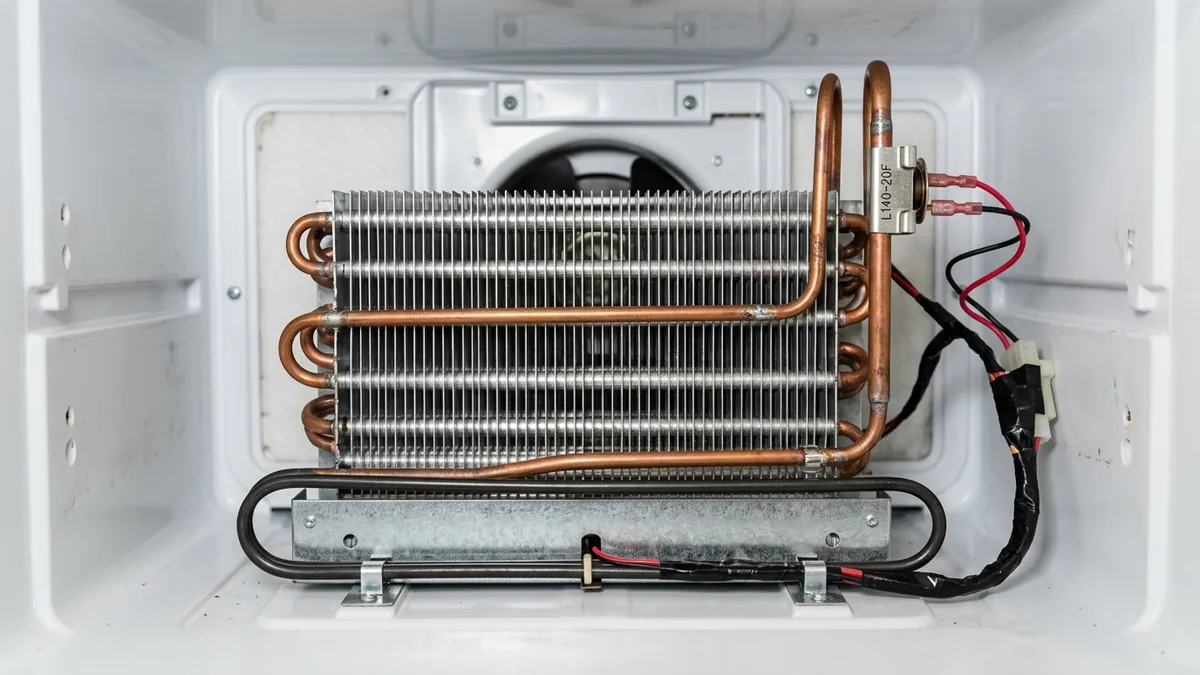
Figure 2.0: Evaporator cooling coils inspected for frost choking and airflow restriction during service calls.
The Thermodynamics of the "Freezer Cold, Fridge Warm" Failure
In almost all frost-free residential refrigerators, 100% of cooling is produced by the evaporator coils inside the freezer compartment. There is no separate refrigeration cooling unit for the fresh food section.
Instead, a motorized evaporator fan draws cold air across the sub-zero coils and blows it through an insulated air passage into the refrigerator. An electronic or bi-metal damper door regulates the volume of cold air entering the cabinet to maintain an optimal 37°F (2.8°C).
When this airflow circuit is disrupted—whether by an iced-over evaporator, a seized fan motor, or a stuck damper—your freezer continues freezing, but the fresh food compartment rapidly warms to room temperature, triggering bacterial growth.
View the USDA Food Safety Spoilage Clock →
Figure 1.1: Technical airflow routing from freezer evaporator fan through motorized damper into fresh food compartment.
The 4 Mechanical Causes of Fresh Food Cooling Failure
Our technicians test each component in the airflow loop to isolate the failure rapidly without guessing.
1. Frosted-Over Evaporator Coils
If the defrost heater, bi-metal termination thermostat, or defrost timer fails, normal frost accumulates unchecked. Within 48 to 72 hours, the evaporator coils become encased in a solid block of ice, choking all airflow through the aluminum fins. Dispatched technicians steam-melt the ice block and replace the defective defrost electrical component.
Explore Defrost Coil Repair →2. Seized Evaporator Fan Motor
Located behind the freezer rear access wall, this fan motor must spin whenever the compressor is engaged. If the motor bearings seize, the fan blades break, or the internal windings burn out, cold air remains trapped in the freezer. Dispatched technicians test the fan with a multimeter and install an OEM replacement.
3. Stuck Motorized Damper Door
The air damper is a small motorized flap connecting the two compartments. If its stepper motor breaks or plastic gears strip, the damper can become stuck in the closed position, preventing cold air from entering the fresh food compartment regardless of fan operation.
4. Dust-Insulated Condenser Coils
Located underneath or behind the refrigerator, the condenser coils reject heat absorbed from the interior. If they are coated in pet hair, lint, and kitchen grease, the compressor overheats and shuts down prematurely on its thermal overload switch.
Explore Compressor Relay Repair →How Technicians Diagnose Cooling Loss in the Field
Step-by-step diagnostic workflow executed during an in-home service call:
Airflow Velocity & Temperature Audit
Technicians measure discharge air velocity at the fresh food diffuser vents using a digital anemometer and calibrate temperature probes in both compartments.
Freezer Rear Panel Disassembly
The interior freezer access panel is removed to inspect the physical frost pattern on the evaporator coils. A uniform light frost indicates healthy sealed-system operation.
Electrical Continuity & Resistance Testing
Using True-RMS digital multimeters, technicians measure resistance across the defrost heater (typically 20–45 Ohms) and check bi-metal thermostat continuity.
Damper Stepper Actuation Test
Technicians command the motorized damper door open and closed via service diagnostic mode to verify electronic control board communication.
Immediate Emergency Triage Steps
While waiting for a mobile service technician to arrive at your home, complete these containment steps:
- Do NOT Keep Opening the Doors: Every door opening allows cold air to spill out and warm ambient humidity to rush in, worsening coil icing.
- Check the Internal Air Vents: Ensure large cereal boxes, frozen turkeys, or bulky food packages are not blocking the supply vents inside the freezer.
- Listen for the Fan: Open the freezer door and manually press the door light switch. Do you hear the evaporator fan motor spinning? If it is silent or making a loud chirping sound, note this for your technician.
- Prepare a Cooler for High-Risk Dairy & Meats: If your refrigerator temperature exceeds 40°F, transfer milk, chicken, and eggs into an insulated cooler with ice.
Need Fast Same-Day Arrival?
Our referral network connects you with EPA Section 608 certified local refrigeration contractors equipped to restore cooling today.
Call Dispatch: +1 833-379-2204Diagnostic trip fee credited 100% toward completed repair.
Frequently Asked Questions: Refrigerator Not Cooling
Save Your Food Before It Spoils
Same-day mobile dispatch available across our 48-state service network.
Call +1 833-379-2204