Refrigerator Water Leak & Drain Repair
Water pooling beneath your crisper drawers or leaking onto hardwood kitchen floors? Rapid diagnostic service to clear frozen defrost drains, replace cracked solenoid valves, and stop structural water damage.
Why is water pooling under crisper drawers or leaking onto the kitchen floor? Water inside the cabinet is caused by a frozen or clogged defrost drain trough, forcing defrost meltwater to overflow into the fresh food floor. Water leaking behind the refrigerator onto the floor typically indicates a cracked dual solenoid water inlet valve or brittle 1/4-inch ice maker water supply tubing.
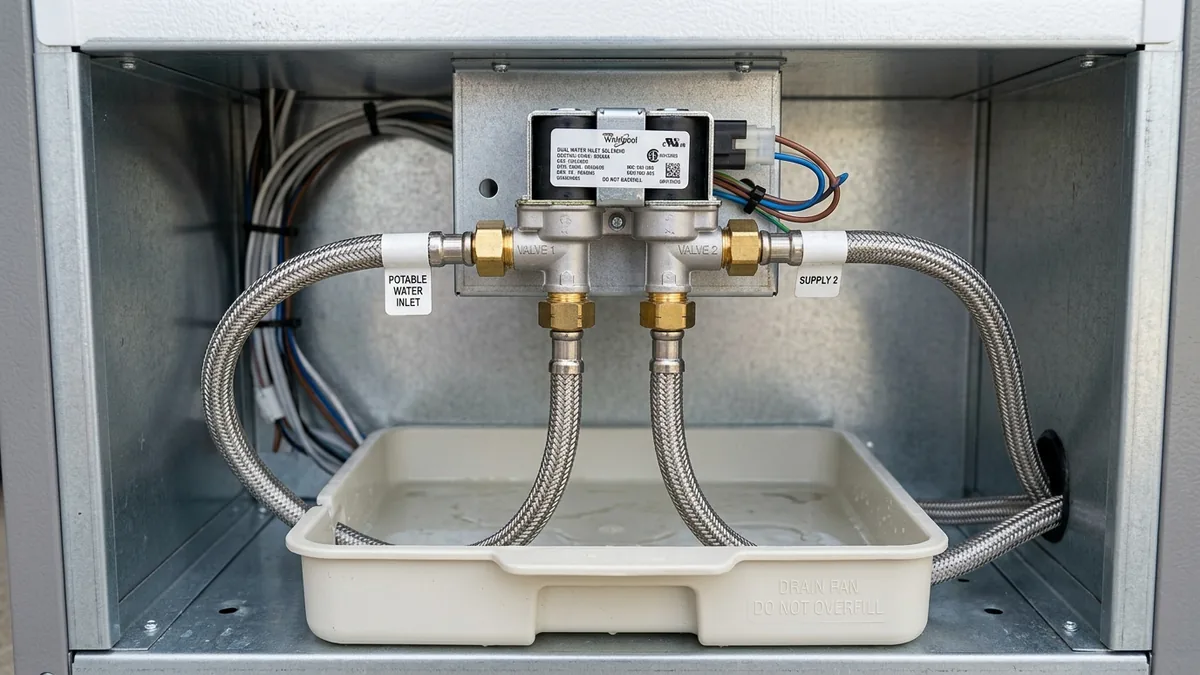
Figure 5.0: Dual water inlet solenoid valve and condensate drain pan inspected for leaks.
The Anatomy of a Refrigerator Water Leak
A leaking refrigerator is not merely a household nuisance; it is a major threat to kitchen hardwood flooring, subflooring, and ceiling drywall below. A slow, undetected leak can cause thousands of dollars in structural wood rot and toxic mold colonization before puddles appear on top of floorboards.
Modern refrigerators handle water in two distinct systems: pressurized water from the household municipal supply feeding the ice maker and door dispenser (40 to 80 PSI), and gravity-fed condensate meltwater draining away from the evaporator coils during the automatic defrost cycle.
Isolating whether the water is pressurized or gravity drainage is the first critical diagnostic step our mobile technicians execute upon arrival.
Call Dispatch: +1 833-379-2204
Figure 4.1: Technical cutaway identifying common water leak points: frozen drain, cracked water valve, fill tube, and drain pan.
The 4 Primary Failure Points Causing Water Leaks
Our technicians test each component in the water management circuit to stop leaks permanently.
1. Clogged or Frozen Defrost Drain & P-Trap
Every 8 to 12 hours, the defrost heater melts ice off the evaporator coils. The water falls into a shallow aluminum drain trough and exits through a small 3/8-inch drain hole. If dust, organic slime, or ice blocks this hole, water overflows the trough, runs down the rear interior wall, pools under the vegetable crisper drawers, and spills past the door gasket onto the floor.
2. Cracked Dual Water Inlet Solenoid Valve
Located at the lower rear of the refrigerator, this valve controls household water flow to the ice maker and door dispenser. Over 5 to 10 years of water-hammer pressure surges and plastic thermal fatigue, the molded nylon valve body develops microscopic stress cracks that spray water under the appliance.
3. Ice Maker Fill Tube Freeze-Up
If municipal water pressure drops below 20 PSI or the inlet valve fails to seat cleanly, tiny water trickles freeze inside the narrow fill tube entering the freezer. Once blocked, subsequent water injection calls spray pressurized water across the freezer ceiling and rear panel, creating solid ice sheets.
4. Cracked or Misaligned Condensate Evaporation Pan
Located directly underneath the compressor, this plastic tray collects meltwater where compressor heat evaporates it into the ambient air. If the tray cracks from heat brittleness or is dislodged during appliance moving, water drips directly onto subflooring.
Professional Permanent Repair Solutions
How dispatched technicians eliminate repeat freeze-ups and prevent water leaks permanently:
Copper Drain Probe Installation
Simply clearing an iced-over drain hole with hot water is only a temporary fix—the standing meltwater will inevitably freeze again within weeks.
Professional technicians install an engineered OEM or copper defrost heat conductor probe. One end clips directly onto the heating element, while the copper finger extends 2 inches down into the drain opening. Whenever the defrost cycle activates, conducted heat radiates down into the drain hole, preventing ice dam formation permanently.
The technician also inspects the rubber "duckbill" check valve at the bottom of the drain tube. These rubber valves frequently glue shut with residue; technicians replace or modify them to ensure rapid, unrestricted drainage.
Immediate Homeowner Containment Protocol:
- Shut Off the Water Saddle Valve: If water is actively spraying behind the refrigerator, immediately turn off the dedicated 1/4-inch shutoff valve (usually under the kitchen sink or in the basement).
- Towels Under Crispers: Place folded towels beneath the vegetable bins to prevent water from cascading onto wooden floorboards.
- Empty the Ice Bucket: Turn the ice maker shutoff wire arm to the OFF position or disable the ice maker on the digital touch screen.
Common Questions About Refrigerator Water Leaks
Protect Your Kitchen Floors from Water Damage
Call our emergency dispatch desk now to connect with local mobile refrigeration specialists.
Call +1 833-379-2204